



Blog

Vocal cords and humidifiers: what are the benefits
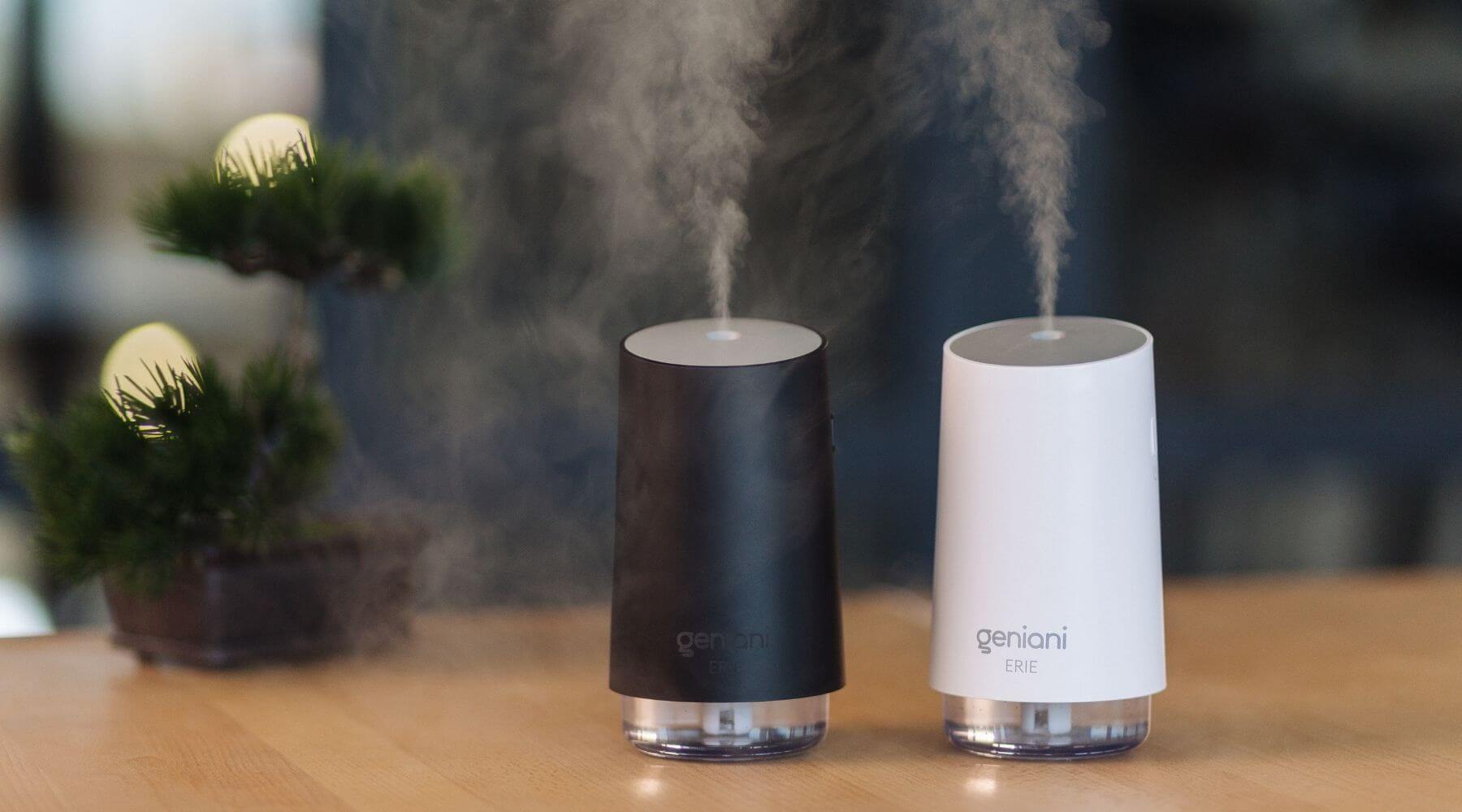
What is the best humidifier for vocal cords and do you really need one? Dry air is the most common cause of a dry throat. If you’re a singer that struggles with this problem you should definitely buy a good humidifier to resolve this issue. Using a humidifier will add moisture to the air and prevent your vocal cords from getting too dry. It makes singing much more comfortable. How to protect your voice Every singer has experienced this: you keep drinking water and yet your throat feels constantly dry. This can be caused by low humidity levels in your environment. What can help to protect your voice? Peppermint tea Herbal tea is a natural and super-easy way to help with your throat. Why is it so? Peppermint tea clears phlegm and helps prevent your mouth from going dry. It’ll also give you a fresh mouth feeling. And that’s a great bonus, isn’t it? You can use fresh leaves from a peppermint plant and just add boiling water. This will be just as effective as dried tea. Using a humidifier It is a quick way to clear your throat and nose. And this tip is ideal for singers. Lack of humidity can be a big cause of unhealthy vocal cords. Healthy vocal cords are at their finest when well moisturized. Of course, drinking water will be a major factor in solving this, but when you sleep is where problems can occur. Port It is a tasty and throat relieving remedy that’ll go down like a treat. Drinking alcohol tends to be forbidden for a singer because it’ll dry the mouth and throat. Port is different, it’ll soothe a sore throat and warm your insides as you drink it. Benefits of humidifiers for singers You definitely need to take some proactive steps to make your voice sound its best and keep it healthy. There are a number of different factors that can affect the quality of your voice. These include your diet, how well-rested you are, and external elements like smoke and the temperature. But one of the biggest problems that singers struggle with is a lack of humidity in their environment. Even when you drink tons of water during the day. Humidifiers can run throughout the night, keeping your throat moisturized until you wake. Note: to know all the benefits of humidifiers you can read our article ‘Humidifier benefits’ What type of humidifiers is good for singers There are two main types of humidifiers: cool mist and warm mist. When it comes to singing, both cool mist and warm mist are just as effective. The main deciding factor should be the temperature of the room. If you are a traveler, consider getting a portable humidifier to keep your throat moist throughout the journey. But let’s talk about the most popular types of humidifiers to make the choice easier. Cool-mist humidifier This type of humidifier is ideal for warmer climates. They help cool the room down a little. The advantage is that since the air can only absorb so much water, once the humidity levels reach a certain point the effectiveness of the humidifier will decrease. This prevents over humidification. Warm-mist humidifier Warm mist humidifiers are great for cooler climates. They add a little warmth to your room because they work by boiling the water until steam is released into the air. On the other hand, the downside to warm mist humidifiers is that they are a little more expensive to run in terms of electricity. The warm mist humidifier is suitable for bedrooms, living rooms, and studios to provide relief from a cough or congestion. Most people prefer this type of humidifier to protect their voice, but you should understand that it can be quite dangerous. It is easy to burn yourself by accident. Therefore, a lot of people choose cool mist humidifiers to avoid hot water or steam accidents. Ultrasonic humidifier An ultrasonic humidifier has a ceramic diaphragm that vibrates at an ultrasonic frequency releasing tiny droplets into the air. The main advantage of ultrasonic humidifiers is that they are quiet. The diaphragm in the humidifier vibrates at ultrasonic sounds. Therefore, we can’t hear them. Top-fill humidifier Some humidifiers have a top fill design. A large opening on the top allows you to pour water directly into it without having to remove the tank. This is especially useful for seniors and people who have difficulties with mobility. Another benefit is the easy cleaning process. Do you need a humidifier for your voice Humidifiers are necessary for singers to ease dry vocal cords. However, choosing the best humidifier for singers depends on personal preferences. If you travel a lot you should choose the portable option. The middle-sized humidifiers are perfect for your studio room or bedroom. The whole house humidifier is a must-have if you have a huge home. Choose the one according to your individual needs and forget about dry vocal cords.
Learn more
20 ways to improve blood circulation in the legs
Poor circulation is caused by reduced blood flow to a specific part of your body. This condition is most common in your legs. Proper circulation in your legs is extremely important. Blood circulation allows your leg tissue to take in nutrients and get rid of waste. Plus, it is essential to long-term leg health and strength. Fortunately, you can improve bad leg circulation by following a few simple steps. But what are the causes of this problem and how can you improve circulation in your legs? Let’s learn more. Causes of poor leg circulation Some seniors experience poor blood circulation in their feet due to lifestyle. Others suffer from the issue due to a disease. Therefore, the right treatment for bad circulation in your legs depends on the cause. Here are some of the most common causes. Age Unfortunately, there is some degree of circulatory impairment that is unavoidable with age. With age, the baroreceptors become less sensitive and the aorta becomes thicker and less agile. These affect blood circulation in the legs. Atherosclerosis It is a condition where the arteries become narrowed and hardened due to a buildup of plaque around the artery wall. Atherosclerosis commonly affects the arteries of the brain, the heart, the legs, and the arms. Smoking Smoking increases the risk of developing conditions that cause poor circulation. It also interferes with the flow of blood and damages the walls of blood vessels. Smoking can actually lead to a condition in which the arteries in the legs harden and can no longer circulate blood. Overweight If the person leads a couch potato lifestyle and carries extra weight, that can lead to a problem with blood circulation. Added weight also increases the risk of blood pressure problems and varicose veins. Therefore, every person should take care of their health and be more active. Varicose veins Varicose veins are enlarged veins caused by valve failure. The damaged veins can’t move blood as efficiently as other veins, so poor circulation may become a problem. Although rare, varicose veins can also cause blood clots. If a relative has varicose veins, your risk is higher. Women are also more likely to develop them, as are people who are overweight or obese. Diabetes Diabetes can cause swelling, hypertension, and impaired circulation in the feet. It can also cause neuropathy, a separate condition with similar symptoms to poor circulation. Sedentary lifestyle Proper blood flow requires an active lifestyle to keep the heart healthy and pumping. Therefore, seniors who aren’t able to move are at risk for circulation problems. A healthy diet and an active lifestyle are important for the health of every person. Symptoms of poor blood circulation in the legs The symptoms of poor circulation may not be apparent. However, whether symptoms are obvious or not, poor circulation can be dangerous. The following are common symptoms of poor circulation. Cold hands and feet Reduced blood flow causes the hands and feet to feel colder than the rest of the body. When blood cannot flow at healthy rates, this can lead to temperature fluctuations in the skin and nerve endings of the hands and feet. Numbness and tingling in extremities One of the most common symptoms of poor circulation is numbness and tingling in the hands and feet. Blood cannot reach the extremities in sufficient quantities when something is restricting the flow of blood. Plus, a person may also have a sensation of pins and needles. Swelling in the lower extremities Poor circulation can cause fluid to accumulate in certain areas of the body. This often occurs in the legs, ankles, and feet. Edema in the lower extremities can also develop when blood collects in those areas.Symptoms of edema include: heaviness and swelling tight, warm skin stiff joints pain in affected areas Some people notice that they have edema because clothing or jewelry starts to feel tight. If a person with edema presses on the affected area, they may leave an indentation in the swollen skin. Also, when the fluid that contains proteins collects in the abdomen, this is known as ascites. Circulation problems and liver cirrhosis can be responsible. Cognitive dysfunction Poor blood circulation can affect the functioning of the brain. It can lead to memory loss and difficulty concentrating. These and other cognitive problems can result from: a reduction in the flow of blood to the brain a reduction in the amount of blood pumped throughout the body certain changes in blood pressure Digestive problems It can be linked to fatty matter that will collect in the lining of blood vessels in the abdomen.Digestive problems related to reduced blood flow include: abdominal pain diarrhea bloody stools, constipation, and cramping. Fatigue Poor blood flow affects energy levels and can cause fatigue. Also, the heart must pump harder when circulation is poor, which can lead to further fatigue. Skin color changes When the person has problems with blood circulation, the skin may appear pale or blue. If blood is leaking from capillaries, these areas may appear purple. The following areas may be discolored: nose lips ears nipples hands feet Leg ulcers Poor circulation affects the body’s ability to heal. It can lead to ulcers in the legs and feet. Ulcers can also develop when blood pools in the veins of the legs, which causes swelling beneath the skin. Joint pain and muscle cramping Poor circulation can cause pain in the legs, feet, arms, and hands. Cold hands and feet may ache or throb, especially as they start to warm and blood flow returns.Poor circulation in the legs and arms can also cause pain in the calf muscles. This type of pain in the legs is often worse when sitting or standing for long periods. Also, when the blood does not circulate correctly, oxygen and nutrients cannot reach tissues effectively. It can result in stiffness and cramping. Varicose veins Poor circulation causes existing varicose veins to become visible. Varicose veins make it harder for blood to return to the heart. They can also lead to symptoms, such as: heaviness in the legs aches in the legs itchiness swelling veins that appear to be knotted Varicose veins are common among people who regularly stand for long periods. How to improve blood circulation in the legs Fortunately, you can improve poor circulation right now with these 20 helpful tips. We put together a list of helpful ways on how to improve poor blood circulation. Warmth To counteract the blood flow restriction that occurs in colder weather you should try thicker socks, an extra blanket, or a heating pad. A good heating pad will help you to resolve this issue, warm you quickly, ease the pain and muscle tension. Quick cardio Be active! It is one of the best ways to increase blood circulation. You don’t need to go to the gym and workout for 2 hours! Just twenty to thirty minutes of activity a day is enough to get your blood pumping. Cardio exercises are the recommended way to improve treatment for poor circulation in hands and feet. Squats When it comes to poor circulation symptoms, tingling in the legs is the most common. It’s easy to see why it’s so common to have poor circulation because the legs are the furthest body part of your heart. Squats target the largest muscles in your legs. It will help to get the blood flowing to your lower body almost instantly. Massage A massage therapist can send blood through the congested areas of your body and help you to improve circulation. When they release the pressure on your body, this causes new blood to flood to the area and increase circulation. Massage also helps to relieve muscle tension and relax your body. Plus, your skin will thank you. Omega 3 The benefits of Omega III fatty acids seem to be never-ending. This supplement has a lot of incredible benefits and has the ability to increase blood circulation, as well. Omega 3s are especially helpful at increasing blood flow to muscles during exercise. Therefore, a lot of doctors recommended pairing an Omega III supplement or food rich in Omega III with a cardio routine. Quit smoking Smoking is often the main reason for poor circulation in feet or hands and discolored extremities. In fact, smoking-related circulatory diseases kill more people each year than lung cancer does. So, quit your smoking habit now for a healthier life. Manage blood pressure People with low blood pressure are more likely to have poor circulation in their hands while sleeping. If your blood pressure is too low, construct a plan to raise it to a normal level. You should also know that high blood pressure can also cause poor circulation. Therefore, it’s important to keep your blood pressure within an acceptable range for your height and weight. Compression gear Pressure helps increase blood flow. To ease circulation problems you can try compression stockings or pneumatic compression devices if your doctor advises. The pressure delivered through a foot massage can also increase circulation and reduce both pain and swelling. Position of your body If you tend to cross your legs when you sit, you may be harming the circulation in your lower body. That common position cuts off circulation to the legs. As a result, it is difficult for blood to get to your leg tissue to keep it healthy. Make a habit of sitting in a position that’s better for circulation. Yoga Want to know how to improve poor blood circulation? Yoga will help! Starting a yoga routine will help increase blood flow throughout your body. It will also help you to become more flexible, stronger and lose some weight! Plus, you will get rid of tension and anxiety. Yoga, in general, helps improve circulation, but some poses are especially helpful. Go for a walk Walking is an excellent, low impact way for people of all fitness levels to get their blood flowing. Obviously, other forms of cardiovascular exercise will get your blood flowing as well. But walking can be done by almost anyone and only requires a pair of comfortable shoes. Stretching Engaging in regular stretching has numerous benefits for your body. Stretching helps promote blood circulation and carries oxygen and nutrients to your organs and muscles. All of these are necessary for proper function, movement, and flexibility. Eat the right foods Consuming foods high in particular nutrients can help improve cardiovascular health and circulation. Key nutrients include vitamin E (greens, olives, sunflower and pumpkin seeds), vitamin C, and omega-3 fatty acids (found in fish, avocado and flax and chia seeds). Incorporating foods rich in these nutrients as part of a healthy diet will encourage better circulation. Drink water Having the right amount of fluid in your blood helps it flow more easily and boosts circulation. If you’re dehydrated, fluid will be drawn out of your blood, making it more viscous (or thick) and keeping it from flowing easily. Drinking plenty of water will ensure that you’re hydrated and your blood has enough fluid in it. No stress Stress raises blood pressure, which can cause poor circulation. While it’s not easy to eliminate stress from your life, there are some easy steps you can take right now to make it happen. Some things you can do include learning to accept things you can’t control.What to do: Create a plan to decrease stress in your life. Consider trying yoga, taking up a new hobby, or just setting aside a daily relaxation period for yourself. Bath A nice warm bath is a great place to start. The warm water causes your veins and arteries to expand, providing more room for blood to flow throughout your body. The ideal recipe for a good bath: Run a warm bath. Add a bath bomb or light some candles to relieve stress while you relax. Soak for 20-30 minutes. Elevate your legs One of the most tried and true ways to achieve better circulation is elevating your legs. Sitting for extended periods causes blood to pool in the legs instead of returning to the heart. Elevating your legs can help kickstart blood flow for immediate results. Stop drinking alcohol While a drink a day may help keep the doctor away, drinking more than that is a recipe for poor circulation. One way to increase poor blood circulation is to take it easy on the booze. Too much alcohol decreases blood circulation and can lead to several health complications, including heart disease. Herbal tea Just like a bath can help dilate blood vessels and veins thanks to the warmth of the water, tea can do the same thing. Enjoying a cup of tea helps widen the pathways for blood to travel through your body, which is one way to increase circulation. Dry brushing When it comes to the causes of poor circulation, there are several different contributing factors. One way to address them all and improve blood flow is by dry brushing. By brushing your body with a dry brush each morning, you’ll increase circulation while shedding dead skin cells and encouraging new cell renewal. How to increase circulation in legs When caught early, diseases that lead to poor circulation are treatable. Left untreated, poor circulation may indicate a disease is in a progressive state. Life-threatening complications, such as loose blood clots, can also occur if the condition is not properly treated. Work with your doctor to start a comprehensive treatment plan that also includes a healthy lifestyle.
Learn more
Do air filters help with cat allergies
These days many of us have pets. If you have a dog, cat, or another furry friend, you may know that your home is full of pet hair, odors, and dander. A large number of pet lovers suffer from allergies. Wondering if an air purifier will work? You are in the right place. The Geniani team will show you all the benefits and risks of it. Do air cleaners help with cat hair More than 50 million Americans experience various types of allergies each year. Cat and dog dander are the most common triggers according to the Asthma and Allergy Foundation of America. Cleaning the couch and thick carpet with a vacuum may help. But you can rely on an air purifier to take care of all the cat hair wafted into the air. It’s essential for you to realize a few things about pet hair and dander before you invest in an air purifier. Allergy Pet hair is not the culprit behind your allergies acting up. It’s the pet dander that’s attached to the hair that causes you to sneeze, your eyes to water, and your nose to get stuffy. Therefore, you should get rid of pet dander and hair as soon as possible. The right filter If you have allergies and want to remove pet hair and dander, you should invest in a “true” HEPA filter. It will eliminate the dander floating in the air. If you’re looking to eliminate pet odors as well as hair and dander, you should invest in an activated carbon + true HEPA filter which will reduce all kinds of foul smells your pet leaves behind. Maintaining You should aim for a pre-filter or a filter screen that is separate and can be removed and cleaned. The lifetime of the HEPA-filter will be much longer if you will follow the instructions for proper maintenance. Cat dander and hair: what is the difference It is essential for every pet owner to know the differences between pet dander and hair. This knowledge will help you to choose the right air purifier according to your specific needs. Knowing this will pay back dividends in the future because you’ll be able to buy the best pet air purifier for your home, save cash and be a happy cat or dog owner. The truth is that most people confuse pet dander with pet hair. While you may think that these two are the same thing, they really are different. What is pet dander Pet dander is actually microscopic pieces of skin. Pets shed it with hair or fur. Interesting fact: dander also comes from animals with feathers such as birds. Many people believe the myth that pet dander is only present in younger animals. But it is not true. In fact, pet dander gets worse as an animal gets older. He or she will shed a lot of dander as they age. Pet dander (and not hair) is the real cause of allergies that flare up in humans. Fortunately, a dedicated pet allergy air purifier can help reduce these particles. What is pet hair Pet hair is just hair. Are you surprised? People with pet allergies still think that they have allergic reactions to the pet’s hair. This is false. As we have already mentioned, people are allergic to pet dander, not the hair. However, animal hair is still an unsightly mess that collects around our homes. Luckily, a specialized air cleaner can help to get rid of it. Why it matters Knowing the difference between pet dander and pet hair will make it much easier for you to find the best air purifier for your home because you can get a device that’s specific to your needs. A person with dog or cat allergies will want to get the top air purifier for pet dander to eliminate it from a room, while someone who just wants to eliminate ugly pet hair from their house can use a simpler unit. Does an air filter help with cat dander An air purifier is so useful because it helps you get rid of the allergens in the air. This device will remove the particles that increase symptoms. If there are a low number of these particles in the air, you won’t suffer from a runny nose, itchy red eyes and sneezing all the time. You should understand that these allergens are not only present when your pet is in the room. They will be in the air all the time. Simply removing the pet from the room won’t help. That is why you definitely need to find a good air purifier. This device s 100% beneficial for every pet owner. Air purifiers with true HEPA filters are effective in removing up to 99.97% of the particles. As you may know, these particles are so small that seeing them is impossible. A HEPA-filtered air purifier will destroy them, especially the larger particles. 7 things to know before buying an air purifier for pets Before buying an air purifier to get rid of pet dander, smell and hair, you should learn everything about the device. These tips and information will help you to make the right choice. The size of the room The air purifier you purchase should have the capacity to cover your room or the home you live in. You will need to know the measurements—which doesn’t mean you have to get out your graphing calculator from seventh-grade math class. Simply estimate and multiply the length and width of the room to get the dimensions in square feet. The placement You need to find a location in your home where you will install the air purifier—which will probably end up where you and your family (and also your pet) mostly spend your time. Many people install the air purifier in the bedroom because you spend somewhere around 6-10 hours asleep every night, and clean air will help you sleep better. If you do choose your bedroom as the optimal location, make sure silence is a key feature of the purifier so it won’t disturb you while you’re sleeping. Other common places to put your air purifier are the kitchen and living area. A kitchen is an excellent place for the air purifier if you want the purifier to filter out odors that come from cooking. However, if your primary goal for the air purifier is to filter out dust, then you might want to place it in the living area where most of the dust gets wafted into the air. Also, if you’re a cat owner, placing the air purifier somewhere near your cat’s litter box will eliminate the cat pee smell. Type of filtration If the main reason for the purifier is to reduce pet hair, odor, dander, dust, smoke, and pollen, find an air purifier with a HEPA filter. Filters that meet HEPA standards must remove 99.97% of particles that have a size greater than or equal to 0.3 µm. If you have allergies or sensitivities, it is especially important to find an air purifier with a HEPA filter, because it will filter out those allergens that trigger your symptoms. However, if the main problem is viruses or bacteria, an air purifier with UV-C technology, ozone purifiers or ionizers will be ideal. Maintenance cost To help with your budget (and bank account) an air purifier that is easy to maintain, clean, and operate can save you money in the long run. This will save both your time and effort. Also, check the availability of spare parts and the cost for replacement; otherwise you might end up with a purifier that is expensive to fix and maintain. It might be a good idea to buy a few spare filters when buying the air purifier. That way you have an extra one on hand when you notice it is time to change the filter. The level of noise If you can sleep through heavy rain, vacuum cleaning or any other noise, then chances are you probably won’t have a problem with a noisy purifier. However, if you can’t handle too much noise and still get a quiet night’s sleep, then consider getting yourself an air purifier that emphasizes more silent operation. Effectiveness The purifier’s Air Change Rate or ACR is also an important feature. This is the number of times the purifier can clean the air within a given space in an hour. Choosing a product from a well-known company is a good idea because they often have the best customer service. Warranty In the long run, the air purifier might break down. Instead of throwing it away, you may want to know if the company covers parts or the full product on the warranty. It could be lifetime free service or replacement of the entire product or damaged parts of the air purifier. Always check out any guarantee before purchasing the purifier. Other ways to get rid of pet dander and hair While a dedicated air purifier for pet dander and pet hair is highly effective, there are other ways to help keep these pesky particles under control. By following these additional tips below, you can guarantee that your home remains free of animal dander and hair. Bathing One of the best ways to keep pet dander under control is to bathe your pet regularly. In fact, up to 85% of dander can be removed from a household pet by bathing it weekly. Unfortunately, the truth is that not many of us have that kind of free time to keep up with a weekly wash. If you can bathe your pet at least every two weeks or at a minimum every month, you’ll be much better able to control the pet dander inside your home. Combining this cleaning ritual with an air purifier will keep your home pet dander free for years to come. In order to control pet hair in between baths, it’s important to start at the root of the problem – your pet’s fur. Brushing Brushing your cat or dog once per day or at least 2-3 times per week will drastically reduce the amount of pet hair that accumulates inside your home. While yes, an air purifier can collect pet hair and remove it from a room. Tape Finally, for stubborn pet dander and hair that has attached itself to your furniture, a simple way to get rid of it is to use a roll of packing tape or clothing tape roller to remove lint. If you have a clothing tape roller then you should already be accustomed to how to use it. Just use it to pick up hair on furniture instead of your clothing. Will an air purifier help with cat odors Yes, an air purifier can get rid of pet odors as long as it includes true HEPA and activated carbon filters. These filters are types that remove pet odor particles from the air and trap them inside. The result is fresher smelling air. For best results from the air purifier here are some tips. We put together the top 5 tips to get the best possible results from your pet air purifier. 5 tips on using your pet air purifier After you buy an air purifier, there are a few things you can do to maximize its efficiency. In order to get the most out of your new air purifier for pets, follow these tips: Space to breathe Air purifiers need space around them to ensure proper airflow. Therefore, keep at least two feet of space around all sides and the top of the unit. Also, be sure all four sides are unobstructed for proper air circulation. Unobstructed air circulation will allow it to collect the highest amount of pet dander and hair from the room. Location Household pets prefer to spend a lot of time in certain areas of a room rather than others. Therefore, to cut down on the most dander, hair, and odors, it’s a good idea to put the air purifier close to the area your cat or dog hangs out the most. For example, next to a couch, a favorite corner, or special pet bed on the floor. Run it 24/7 You may be tempted to turn your pet air purifier on and off in order to conserve energy. However, that is not the most efficient plan. In order to keep pet dander, hair, and odors under control try to use this device all the time. Today’s air purifiers are very energy-efficient, so you don’t have to worry about it costing much to operate. Keep doors and windows closed When you’re trying to combat pet dander and odors with an air purifier, it’s important that you keep everything closed. Opening windows may seem like a good idea to let those types of particles float outside. Unfortunately, it actually forces your air purifier to overwork itself. When doors and windows are kept closed there will come a point when the air purifier has removed all of the airborne contaminants. At that point, a room’s air can stay up to 99.97% clean while operating on its lowest setting. Stay on top of filter changes Every air purifier manufacturer will recommend how often you should clean or replace the internal filters. Some filters may require cleaning or replacement every three to six months. Others may not need to be changed for twelve months or more. The product’s manual will guide you for the best results. Is a HEPA filter really helpful for cat allergies Living with pets doesn’t have to be a pain as long as you know how to keep your house healthy and clean. We hope that this guide has helped you to choose the best air purifier for pets and get the one that serves your needs as a cat or dog owner.
Learn more
33 effective ways to improve air quality at home
The air quality in your home is important for everyone in the family. Low air quality in your home can have a big effect on health and increase the diseases you already have. Low-quality air can be caused by a number of factors. For example the outside pollution, poor building materials, emissions from heating, and appliances. Poor indoor air quality can increase asthma, fatigue, and lung diseases. How can you improve the indoor air quality? There are many ways to identify the quality of your indoor air. Let’s figure everything out and find the best ways to improve air quality in-home. Sources of indoor air pollution The Environmental Protection Agency said that the air we breathe inside our homes and offices could be up to five times more polluted than the air outside. It is awful, isn’t it? The reason for it is simple. The contained areas enable pollutants to build up more than open spaces do. But unlike secondhand smoke, radon gas, and molds, most indoor air pollution comes from products we willingly bring into our home. Air fresheners Almost every air fresheners emit toxic pollutants. These particles at a certain level can lead to health risks. Many clean-air advocates compare their toxicity to that of secondhand smoke. Many air fresheners also contain phthalates. It is an endocrine disruptor. These can be specifically harmful to infants and children whose endocrine systems have not yet fully developed. The candles Paraffin candles are dangerous and the worst to ever consider. Paraffin is a byproduct of petroleum, coal, or shale. They have been whitened using bleach that infuses it with dioxins. It is one of the most toxic substances. Another chemical, acrolein, is linked to the risk of lung cancer from cigarette smoke. It is added to the wax as a solidifying agent. Dryer sheets Do you remember how waxy dryer sheets can be? That waxy surfactant is made of a mixture of quaternary ammonium salt, silicon oil, or stearic acid, which melts in the heat of the dryer to coat your clothes. It may lead to a serious problem with health, increase asthma and heart diseases. Basically, your fabrics aren’t softer. Your shits are just coated in a fatty film to make you think they are. Dryer sheets also contain fragrances that contain toxins. They get into the air and can cause some problems with your respiratory system. Cleaning products Some cleaning products release dangerous, Volatile Organic Compounds (VOCs). They can lead to chronic respiratory problems and allergies, asthma, or other respiratory illnesses. Products containing VOCs include most aerosol sprays, chlorine bleach, rug, and upholstery cleaners, furniture and floor polish, and oven cleaners. Even “green” or “organic” cleaning products may contain ingredients that can cause health problems. To have healthy and 100% organic cleaning products read our article ‘House cleaning: natural homemade cleaning products’ Carpet A ‘new carpet smell’ is actually the off-gassing of hazardous volatile organic compounds (VOCs). It includes toluene, benzene, ethylbenzene, formaldehyde, bromine, styrene, and acetone. These can cause headaches, throat and eye irritation, allergies, confusion, and drowsiness. Synthetic carpets made from nylon and olefin fibers typically off-gas the most. It is even more dangerous. Paint It is no matter painted your house a long time ago or 2 months earlier. If you live in an older home, you may have walls coated in lead paint, which was banned in the late 1970s. Lead can be a powerful neurotoxin even decades after a room is painted, as the paint chips, peel, and flakes off surfaces. Kitchen stove A poorly ventilated kitchen can cause a huge amount of air pollution in your home. Gas stoves emit nitrogen dioxide, which is created when fuel is burned at high temperatures. Nitrogen dioxide mixes with the air to create nitric acid and toxic organic nitrates. These can irritate the lungs and lower resistance to respiratory infections such as influenza. According to the EPA, frequent exposure to high concentrations of nitrates may cause acute respiratory illnesses in children. Furniture Chemical fire retardants are common in a wide variety of household items such as furniture, electronics, appliances, and even baby products. These chemicals have since been proven ineffective in preventing fires and are linked to numerous health and environmental problems. They can make fires more toxic by forming deadly gases and soot. And they are the real killers in most fires. Health effects of air pollution Even healthy people can experience health impacts from polluted air. It can include respiratory irritation or breathing difficulties during exercise or outdoor activities. The risk of indoor air effects depends on your current health status, type of pollution, and it’s concentration. The duration of your exposure to the polluted air is also important.The most popular short-term effects of indoor air pollution are dryness and irritation of the eyes, nose, throat, and skin, headaches, fatigue, shortness of breath, hypersensitivity, and allergies, sinus congestion, coughing, and sneezing. The immediate reaction to indoor air pollutants depends on several factors. For instance, people with asthma and allergies are more sensitive. Therefore they can notice more symptoms as compared to those who don’t have asthma or allergies. A lot of potential health problems may develop after long or repeated periods of exposure. These long-term exposure effects include worsening respiratory disease (asthma, hypersensitivity pneumonitis, bronchitis), heart disease, lung cancer, and premature death. The best ways for improving home air quality Air quality improvement is a tough task. If you’re elderly or you have a pre-existing health condition, such as asthma or heart disease, you’re particularly vulnerable to the effects of pollution. We spend about 90% of our time indoors, and this isn’t something we should ignore. So, there are tips on how to improve air quality in the home. 1. Open windows It seems really easy, isn’t it? it would be best if open your windows regularly to remove polluting particles from the air in your living space. The winter month is an especially important cause of a high humidity level. However, it is not good for those who live near a busy road. Be strategic about when you do this. If you live near a busy road, keep the windows closed at peak traffic time. If you suffer from hay fever, don’t open your windows in the morning, when the pollen count is highest. 2. Purchase an air purifier Air purifiers can be beneficial for those who have asthma, allergies, and chemical sensitivities. Pet owners will be extremely happy with this device. An air purifier can get rid of dander in a few days. It will help you to get rid of even small particles of pollutions and improve indoor air quality successfully. 3. Cooker hoods Even if you think this device is too loud, you should definitely switch on your kitchen hood and fans during and after cooking. It will help you to clear the air of oil and other ingredients that have evaporated into it. The cooker hoods may also limit damage to your walls and kitchen cabinets. To get a maximum effect from this device, buy an extracting (vented hood or ducted) cooker hood, rather than a recirculating one. Extracting hoods send the air out of your home through the roof. Meanwhile, recirculating models filter the air through a carbon filter and recirculate it inside your kitchen. If you have a recirculating hood, make sure you clean and change the filter regularly. 4. Carpet cleaning Yes, yes and yes. It is a must. Many allergens and pollutants found in the carpeting of an area. Regular vacuuming is important for clean air. Thorough professional cleaning can provide an extra form of cleaning. Many companies offer special services when it comes to pet treatment and allergens. 5. Furniture cleaning Your furniture doesn’t simply hold onto odors. The furniture absorbs germs, pollutants, and pet dander. Cleaning upholstered furniture on a regular basis is very important. This is an effective way to improve indoor air quality in the home or the office. 6. Mop floors Hardwood floors, tile, and other surfaces usually collect dirt and dust. These can be problem areas for keeping good air quality. Mopping these areas with non-abrasive products is a great approach. You will not only improve the air but apply care techniques to your floors. 7. Clean walls You may don’t know it, but your walls also hold onto germs and pollutants. Cleaning techniques can prevent this and improve your indoor air. There are appropriate cleaning products that do not cause harm to surfaces. They allow you to maintain healthy indoor air. 8. Air filters It is important to change air filters regularly to keep the air clean. They are useful when talking about cleaning the air. These filters can be purchased and changed on a monthly basis. This is especially essential for individuals with allergy issues, pet owners, and families with young children. 9. Floor mats These mats are used to clean shoe bottoms, and they are really useful for everyone. The perfect place for floor mats is the entrance of a doorway. Materials tracked on the feet can easily get into the air. These mats are used to clean shoe bottoms. They are useful products for homes and for businesses to purchase. 10. No smoking The rule is simple: don’t allow guests or anyone else smoke in your home. Second-hand smoke does not only cause odors but it also increases the chance of developing asthma and cancer, among other health risks. If your guests do smoke, have them take a break outside. 11. Check your furniture Some of your furniture may be made with toxic glues. It contains harmful chemicals that have a bad impact on health. Finishing products as lacquers and varnishes may cause problems with some people with allergies and asthma. Avoid furniture made with woods that have been treated with formaldehyde and put together with toxic glues. 12. Be fragrance-free Some particles that have been found in many cleaning products can impact people with asthma and allergies. Look for fragrance-free products, including laundry soap, kitchen, and bathroom cleaners. Try using natural cleaners such as lemon and baking soda to make your home sparkle. 13. Add plants Plants not only add some color to the room, but they also are known as natural air purifiers. Depending on your space, there are plants that thrive in sunlight and those that need little light and hardly any maintenance. You can choose a spider plant or a terrarium to not only brighten up your space but help clear the air. 14. No aerosol sprays Aerosol sprays can release harmful chemicals into the air. Instead, opt for non-aerosol versions of hair sprays, deodorants, furniture polishes, and air fresheners. Take projects that involve spray painting outside. 15. Test for radon Radon is a gas that raises the risk of lung cancer. The colorless gas can be found in nearly all soil types and moves up through the ground and into your home through the foundation. You should test the home for the radon level to keep an eye on it and be safe. 16. Eliminate mold The mold can lead to serious health problems such as wheezing, sore throat, skin rashes, watery eyes, and headaches. The best way to get rid of mold is to manage the humidity levels in your home. The kitchen and bathroom are in a top of risk. The fan in the bathroom can help if to turn it on immediately after bathing. It will help to help remove the humidity from the room. 17. A humidity level The right humidity for any household is 40-50%. You need to balance a humidity level in your home. If your household includes too much humidity, the mold and dust mites grow extremely quickly. Lack of humidity is harmfull too and can be a big cause of health issues. It is important to monitor this in both homes and businesses to improve indoor air quality. 18. Reduce exposure to carbon monoxide Carbon monoxide is a colorless, odorless, tasteless, and a toxic air pollutant. Carbon monoxide is produced as a result of incomplete combustion of carbon-containing fuels, sources of carbon monoxide in the home include wood stoves, leaking chimney and furnace, kerosene heaters, and gas water heaters. It is very important to make sure carbon monoxide getting inside our homes is being managed to avoid air poisoning, which can eventually lead to death. 19. Groom your pets regularly Pet dander and hair are other common allergens in indoor air. If you’re a pet parent, make sure you properly brush your pet’s coat regularly and vacuum all the carpeting, floors and furnishings using a vacuum cleaner with HEPA filter. The air purifier with true HEPA filters may help you even more successfully with pet dander and hair. 20. Clean sheets and clothes One of the leading causes of poor air quality in your home is “dust mites.” Dust mites build up as a result of having dirty cushions and curtains. Dust mites are something that you should be careful about as it irritates the nose and the throat; therefore, leaving a tired and sluggish feeling. One of the crucial ways to conquer dust mite is keeping your pets off your bed, cushions, and always keep them clean. 21. Choose beeswax candles Beeswax candles have air-purifying qualities. When beeswax candles burn, they release negative ions. Pollen, dust, dirt, pollutants, and other junk particles in the air carry a positive charge. As a result, the negative ions from beeswax candles released into the air and sucked into these positive charges. Beeswax candles are 100% natural and not only reduce contaminants in your home, but they also smell good and create a wonderful ambiance too. 22. Essential oils The great choice to refresh your home without aerosols. Using essential oils is one way to reduce bad odors in your home that are associated with poor air quality. Choosing your essential oils carefully and using them in the right quantities is important for safe usage. 23. Use salt lamps If you do not like candles in your home, you can achieve a great effect by having a salt lamp too. These lamps emit negative ions when lit. These negative ions will help fight against the positively charged particles and contaminants that cause allergies. People with asthma have reported that salt lamps have helped to reduce their symptoms. 24. Pet cleaning Pet dander is one of the issues related to having indoor pets. Many of these issues can cause poor air quality. Regular cleaning of pets, get rid of excess fur and dander. This is a good process for protecting the air. It is also helpful for those who have allergies in this area. 25. Eco-friendly cleaning products A clean home is less likely to contain dust and other particles that can lower air quality and irritate allergies. But cleaning with the right products is key. Where possible, use completely natural cleaning products such as lemon and vinegar that leave no toxic footprint behind. 26. Air conditioner drip pans Air conditioning units often have drip pans. The water is stored there and cause health problems over time. Mold is one example in this category. Emptying these pans regularly can prevent the growth of mold. It is also an important task to ensure air quality. 27. Non-scented paint There are many paint products on the market today, and many of them can increase the rate of asthma and other allergies. You can find those that have no scent at all and are designed to promote good air quality. This is important for doing any type of home renovation or improvement job. Finding environmentally friendly products is essential for your indoor air quality. Especially if you have kids. 28. Outdoor hobbies There are a variety of hobbies that produce some emissions. They can serve to pollute the air even if minimally. Woodworking, carving, painting, and other activities may be best done outdoors. This is a good way to improve the overall air quality in your home and living spaces. 29. Smoke detectors Smoke detectors are extremely important to any physical structure. They are not only useful in alarming when there is a fire. These detectors inform you when there is any smoke in the air. This is a good tool to have to ensure the air quality in living spaces. 30. Car exhaust control Numerous homeowners warm-up their vehicles in closed garages most especially in the winter months. When car warming is done in a garage (attached to the house) whose door is closed with no escape vent for smoke coming out of the car exhaust., this process alone will pollute the air quality and could lead to suffocation due to the carbon monoxide, steam and other toxic fumes coming out of the car. 31. Remove shoes If you remove your shoes at the door, it may help you to protect the air. Although floor mats are effective in many instances, unfortunately, they can’t prevent all debris and materials from being tracked into the home. You can improve the air quality by encouraging everyone to do this one thing on a regular basis. 32. Smoke fans These days everyone uses a fan to address smoke. This can be used when cooking certain types of dishes. The fan works to clear and purify the air. There are some microwaves with similar fan designs, as well. They provide you with a way to protect the air in your home. 33. Reduce fragrances usage Different types of fragrances products are utilized in homes and business buildings. Typically these are centered around forestalling foul smells noticeable all around homes or business buildings. Simultaneously, these items can pollute the air when they are not either overused or having different mixtures of the fragrances used at the same time. Reducing the use of these fragrances is another way of improving indoor air quality. How can you improve indoor air quality fast The truth is, air pollution in your home can be just as worse than it is outdoors. An average American spends 87% of their life indoors. Therefore, we need to think about indoor air quality and keep an eye on it. With a little preventative maintenance and some basic knowledge, you can take immediate steps to improve your indoor air quality today.
Learn more
Dry vs moist heat – which is better
You may have a lot of questions about helpful methods of pain relief. The most common is about cold or hot therapies. Should you use the cold or hot pack? Which is better: dry heat versus moist heat therapy? How long should I use the heating pad? What is moist heat? We are here to help you discover all the benefits of such treatment and help you to start a pain-free life. Thermal heat therapy is very helpful for treating chronic lower back pain and tension in muscles. Heat therapy products are often used in place of surgery and other pain treatments. However, you should use it carefully. The pain can worsen if misused. There are many different types of heating pad products, such as heating gel packs, thermal heating pads, wraps, heating towels, electric heating pads, and more. But when should you use a hot pack? Is moist heat therapy useful? It’s very important to know everything before treatment. Let’s figure everything out together. What is heat therapy Heat therapy is the use of heat for treatment purposes. Thermotherapy is extremely popular throughout the world and beneficial. The heat used increases the blood flow, bringing proteins and oxygen in the areas where it applies. The overall benefits of heat therapy are very prevalent. This therapy method is helpful to decrease joint stiffness, reduce pain, inflammation, relieve muscle spasms, and just relax after a long day. Heat therapy is also used in the treatment of muscle spasm, myofascial pain, and the general musculoskeletal discomforts associated with immobility and debility. Types of heat therapy The moist and dry heat are the two popular types of heat therapy. Dry heat: In dry heat therapy equipment such as electric heating pads and saunas, is used to draw out moisture from the body. But, in some cases, it may leave the skin dehydrated. However, some people feel that dry heat is the easiest to apply and feels the best. Moist heat: In moist heat therapy equipment such as hot baths or moist heating packs can aid in the heat’s penetration into the muscles. Some people believe that moist heat provides better pain relief and relaxation. A specific type of heat therapy may feel better for one person than for another. Therefore, it is important to consult with your doctor to figure out which one works best for your own needs. There are many different options for heat to be applied exist. We put together more popular types. Electric heating pad In this simple heat therapy, heating pads come in different sizes, and the electric heating pad is plugged in an electric outlet. The electric heating pad has an advantage of radiating a constant heat as long as it plugged. It is considered to be the best heat treatment as you are going to feel the positive impact in just days. Hot water bottle This is a great option for those who like the easiest way of heat treatment. You can sit on the couch watching TV at night, or working at a desk all day and need a fast relaxation option You will achieve it with a hot bottle. These typically maintain their temperature for approximately 20-30 minutes. Heated gel packs This type of heat treatment is close to the hot water bottle. You can buy these packs in most pharmacies. They can be warm for 30 minutes after activation in a microwave. Some heated gel packs may also deliver moist heat. Some people prefer such an option more. It may be microwaved, or sometimes heated in water. Certain types of gel packs provide moist heat, which some people prefer. Heat wraps It is a type of heat therapy that is done on a low level. You can use it under clothes directly against the skin, which can be really comfortable for many people. Typically, they will be wrapped around the lower back and waist. Heat wraps provide a few hours of low-level heat application. Caution: be careful if you have sensitive skin! Hot bath A hot bath is liquid psychotherapy. It is not only good to get rid of the pain. But also, to calm down and get a peaceful sleep. Once you’ve started a bath, you feel insulated from your troubles. The ritual, though, is safe and soothing. The heat dominates your awareness and forces out other thoughts. You’re sluggish while your body temperature drifts back to normal, and you recover from the wet-noodle exhaustion. It is a type of relaxation. Sauna or a steam bath It tends to stimulate general feelings of comfort and relaxation that may help reduce muscle spasm and pain. A whirlpool jet directed at the lower back may provide the added benefit of a light massage. Please note: the heat should not be used in certain circumstances. Do not use if you suffer from dermatitis, deep vein thrombosis, diabetes, peripheral vascular disease, open wound, or severe cognitive impairment. What is dry heat good for Heat therapy can be a great treatment for those who suffer from chronic pain. Warm temperature therapy aids in muscle relaxation and ease pain, alleviate stiffness of sore joints. The application of heat therapy to sore, painful joints and muscles successfully promotes enhanced circulation and blood flow to the region. This flood of fresh, oxygenated blood can likewise assist with reducing pain as it can slow down the development of lactic acidic waste, which additionally is a factor in constant pain. It will be extremely helpful for those who suffer from: osteoarthritis strains and sprains tendonitis, or chronic irritation and stiffness in the tendons help to warm up stiff muscles or tissue before activity help to relieve pain or spasms relating to neck or back injury, including the lower back. Note: when using heat therapy, be careful to avoid burns. Place insulation between the heat source and skin, and make sure you monitor your time of use Benefits of dry heating pads Some people opt for dry heat therapy products. The reason is that they find them easier and more comfortable to use. However, if your skin is sensitive or dry, the dry heat can cause the skin’s dehydration. On the other hand, the dry heat can last longer than moist heat heating pads. Some people feel that dry heat is the easiest to apply. Plus, a lot of people believe dry heat feels the best. What is moist heat good for Most experts prefer to recommend moist heat therapy due to the benefits it gives. This type of therapy won’t dehydrate the skin. The moist heat therapy is perfect for people with dry or aging skin who are concerned for skin irritation, and it penetrates deeper into the skin. Which is why the pain will leave you faster. The moist therapy also increases tissue elasticity. Some moist heat therapy products include steam towels, hot baths, moist heating packs, and gel packs. Benefits of moist heating pads A lot of people believe that moist heat is more effective than dry heat causes it to provide deeper penetration of the tissue at the same temperature. Moist heat can also change the tissue temperature rapidly and obtain a more vigorous response from temperature receptors. An electric moist heating pad can speed recovery by increasing blood flow to the targeted area. Increased circulation brings in fresh blood and takes away the wastes, which may slow healing. Moist heat offers greater relief of symptoms. Are wet heating pads helpful It is important to use heat therapy correctly to get all the benefits from it. Wet heating pads are a mix of disposable heating pads and electric heating pads. They are also may be called a hybrid, and they are extremely useful. Such pads will help you to achieve maximum results in minimum time. Hybrid hot pads often come with a comfortable, fabric sleeve and can double as a heated pillow. The pad is extremely effective and ensures a quick pain relief by drawing moisture from the air and directing it right into your skin. Plus, you do not need to add the water into the pad, because it works totally on the air humidity. This is why such pads, unlike dry ones, permeate into the skin more deeply. As a result, they not only speed up the recovery process but also improve blood circulation. The wet heating pads are really helpful. What can they do? Relieves soreness Such therapy successfully provides deep relaxation, comfort, and reassurance by taking the edge off of several kinds of body pain. It is not a secret that after a workout, we can feel soreness. It can also come from over-exertion. Heat therapy can relieve this pain and soreness forcing the muscles to relax. This is also why heat therapy can stop muscle spasms as well. Soothe body stiffness Body stiffness can occur for many reasons. The most common is sleeping in a wrong and uncomfortable position. Stiffness can cause a lack of mobility and a painful feeling. Heat therapy can help this by providing a warm, comforting sensation. A heating pad and light stretching combined can ease the pain of muscle stiffness. Heals injuries Heat also helps increase blood flow throughout the body. Increased blood flow can heal injuries faster and help relieve the pain you are feeling from an acute injury. Ease stress and tension Stress and tension throughout the body go hand in hand. Heat can help relieve the tension in these muscles. Heat therapy is a great way to ease stress by relaxing the body. The warmth provides added comfort and a soothing feeling to the affected area. To see more benefits and opportunities of wet heating pads you can read our article ‘Heat and cold therapy for pain relief’ Benefits of hybrid heating pads As we have told you, heating pads are perfect for everyone because they can provide both dry and moist therapies. They are microwavable and reusable, which are more convenient to use and maintain. Hybrid heating pads are safe to sleep with and have an adequate price. Such heating pads are last for years and provide longer-lasting heat therapy. Because of their opportunity to increase blood flow, the recovery will be faster than ever. The increased blood flow brings into the target area fresh blood and takes away the wastes which may slow healing. Often greater relief of symptoms compared to many moist heating pads. They provide deeper penetration of the tissue at the same temperature as other heat packs. How to use a moist heating pad You should be careful with any heating pad from those who have water or gel to the electric one. Any heating pad needs a layer in between the source and your body. This will help you to avoid skin burning. You may see your physiotherapist using a hydrocollator, which heats pads in a thermostatically controlled water bath. Any source of moist heat should be monitored throughout to ensure the skin does not overheat. You shouldn’t use heat therapy when the injured area is bruised, swollen or the skin is broken or hot to the touch. Dry heat vs. wet heat: who is a winner Do you know that alternating heat and wet heat is also effective? Contrast water therapy uses both heat and cold to treat pain. Heat is useful for relieving osteoarthritis, strains and sprains, warming up stiff muscles or tissue before activity, relieving pain or spasms relating to neck or back injury (including the lower back). Cold treatment, in turn, can help in cases of a recent injury, gout, or irritation in the tendons following activity. So, the use of heat and cold therapy are extremely useful. But it is very important to consult with your doctor regarding all types of home treatment. Take care!
Learn more
Disease caused by air pollution
It’s a well-known fact that air pollution can be a cause of disease. Want to know more about all common diseases? Read here a detailed post about that. Air pollution is mostly invisible but is leading to a big health problem for every person in the world. Respiratory and lung diseases, cancer, sickness, tuberculosis. Do you know what is the most harmful respiratory disease caused by air pollution? In fact, evidence shows that air pollution can impact human health in more ways than we can imagine. There are a big number of sources from which all harmful gases and particles come into the air. The most common harmful particles are exhaust fumes from vehicles, smoke from burning coal or gas, and tobacco smoke. In this article, we discuss what diseases are caused by air pollution and what we should do to avoid them. What is air pollution A lot of people have already known that clean air is important for our health. But how many people can explain why is it so? Air pollution refers to the release of harmful substances into the air that is detrimental to human health and the planet as a whole. The particles of air pollutants are harmful to the body. The range of possible pollutants means that air pollution can affect people both outdoors and indoors. Outdoor air pollution consists of particles from burning coal and gas, nitrogen oxides or sulfur dioxide, tobacco smoke, and ground-level ozone. Indoor air pollution consists of household chemicals, carbon monoxide or radon, pollen, mold, and tobacco smoke. Everything depends on the health status of a person, the type of pollutants and the length of exposure to the polluted air. What are the diseases caused by air pollution Air pollution can cause or contribute to a variety of health diseases. Even healthy people can experience health impacts from polluted air. It can include respiratory irritation or breathing difficulties. The effects of air pollution on a person’s health can range from mild breathing difficulties to other dangerous problems. We put together more harmful diseases. Asthma The effect of air pollution is magnificent. It is the most dangerous respiratory disease caused by air pollution. This is a chronic disease in which inflammation is caused in the air passages of the human body and the person finds it difficult to breathe. The basic symptoms of this respiratory disease are heavy breathing and strenuous even when you are doing routine tasks. Asthma is caused by particulate matter, oxides of sulfur and nitrogen and ground-level ozone. Tobacco smoke can also be a cause of asthma. Therefore, parents, friends, family members, and other people that contacted the patient should refrain from smoking in his or her presence. Chronic obstructive pulmonary disease What is the cause of this disease? It is not a secret that COPD is caused by air pollution. The air passages and air alveoli change their shape and become distended. Thus, people can feel the breathing problems even while sitting and doing nothing at all. There are two types of this disease: emphysema and chronic bronchitis. They can also lead to cancer and premature deaths as well. The most affected people are the people working in the mines, quarries, and docks. Everything is because they breathe the air that is full of dust, fine dust, and diesel fumes, etc. Using air purifiers may be beneficial in such cases. To get more information about air purifier and its benefits you can read our article ‘Air purifier: types and benefits’ Lung cancer Lungs can get infested with various carcinogens in the air. This can lead to lung or pulmonary cancer. The disease involves the uncontrolled growth of the cells in one or both of the lungs. As a result, you can get a reduction in the oxygen-carrying capacity and malfunctioning in the complete working of the respiratory system. Remember: lung cancer has different types and levels of infection. Therefore, it is extremely important to check your health regularly. Leukemia It is a serious and dangerous type of cancer that can lead to death. It caused by exposure to the benzene vapors and is fatal as well. The WBCs or the White Blood Cells get increased in the amount owing to persistent infection caused by the infection and the respiratory tract is infected heavily. Pneumonia Why is polluted air so dangerous? It can carry bacteria that get inhaled into the respiratory tract. As a result, you can face with pneumonia. The disease might get worse with continued breathing of the polluted air or with other diseases caused by pollution. Using air filters wherever possible will help you to prevent this disease and save all your family from it. Remember: immediate doctor assistance is important and advised in all cases. Birth defects and immune system defects The polluted air affects not only adults. There are a number of defects that can occur in the newborn. Everything can also start if a pregnant mother breathes polluted air during pregnancy. The babies born in the areas with air pollution will have lower immunity against infections, cough, and cold and might also exhibit some inborn allergies as well. Note: the pregnant ladies can consult with the doctors and use the air filters to trap pollutants from the air. Autism Recent studies have revealed that air pollution can also cause autism. It is a dangerous disease in which the patient tends to live alone. Cardiovascular diseases The people who live in a polluted environment start to notice a lot of cardiovascular diseases of various kinds. The reason for such diseases is the presence of a number of poisonous substances in the polluted air, poisonous gases, and particulate matter. The extent of exposure to the pollutants can determine the degree of the disease and infection. A weakening of lung function The people who breathe the polluted air regularly might notice a gradual weakening of the lung function. This happens if the level of air pollution is not high to cause lung cancer or some other more dangerous disease. This can be exhibited in some forms such as allergies, panting while doing heavy or normal daily routine activities and very low immunity to a cough and cold. Premature deaths It’s been found out that air pollutants have caused a lot of untimely death, that has been recorded over the world. This is a result of the component of the pollutant, which may lead to how the body reacts either by suffocation or other responses. Most common health effects of specific pollutants Polluted air contains a lot of harmful and dangerous particles and chemicals that affect every human in a different way. According to several types of research outdoor air pollution may cause cancer. Let’s talk in detail about the most common effects of specific pollutants. Particle pollutants Particle pollutants consist of a combination of different particles in the air. They are extremely small. therefore, they can reach the lungs easily. As a result, the risk of lung and heart disease are really high. They may also cause a worsening of symptoms in people with asthma and allergy. Ground-level ozone Pollutants react with sunlight to create ground-level ozone. Smog consists largely of ozone and is a key trigger of asthma symptoms. Carbon monoxide According to several pieces of research, the level of carbon monoxide of 2% does not affect our health. However, if the levels are higher than 40%, carbon monoxide may be fatal. The symptoms of carbon monoxide poisoning may include weakness, chest pain, confusion, a headache. If a person suspects that they are experiencing carbon monoxide poisoning, they should move to an area with fresh air and seek immediate medical help. Sulfur dioxide Sulfur dioxide is a byproduct of burning fossil fuels, such as coal and oil. It can cause eye irritation and make a person more vulnerable to developing respiratory tract infections, as well as cardiovascular disease. Nitrogen dioxide Nitrogen dioxide is present in vehicle exhaust emissions. Gas and kerosene heaters and stoves also produce large amounts of this gas. The big amount of this gas may lead to respiratory infections. Typically, inhaling nitrogen dioxide causes wheezing or coughing, but it may also lead to headaches, throat irritation, chest pain, and fever. How can we reduce exposure People can reduce their exposure to air pollutants by limiting the amount of time that they spend in areas with poor air quality. It is important to be aware of possible air pollutants both outdoors and indoors. Environmentally friendly living It is good to burn less gasoline to get rid of air pollution and prevent the harmful effects of climate change. Make good choices for transportation. When you can – just walk or ride a bike. It will be awesome if you choose electric cars instead of other popular variants. Governments, businesses, and individuals can all help in minimizing air pollution. Reducing emissions from vehicles and the levels of pollutants in the atmosphere may improve the quality of the air. Buy an air purifier Air purifiers are helpful for not only people with asthma or allergy but also for everyone who wants to be healthy. Pet owners will be extremely happy with this device, as it can trap pet dander and hair. It will help you to get rid of even small particles of pollutions and improve indoor air quality successfully. Even inside our home, there are dust mites and dirt to worry about. Indoor air pollution can irritate your lungs and contribute to allergies and asthma. Do HEPA air filters really work? A true Hepa filter is designed to remove airborne particulates and bacteria using HEPA technology as the primar an air purifier with true HEPA filters is a must-have in every household! It will help to ease allergies and asthma, fight germs and remove dust! Change filters It is important to change air filters regularly because we need to keep the air clean always. They are useful when talking about cleaning the air. These filters can be purchased and changed monthly. This is especially essential for individuals with allergy issues, pet owners, and families with young children. Clean your home regularly It not only about floor or carpet cleaning. You shouldn’t forget about the walls too! It is a must. Many allergens and pollutants found in the carpeting of an area, floor, walls, furniture. Regular vacuuming is important for clean air. But it is not enough. Therefore, try to get professional cleaning once per month. It can provide an extra form of cleaning. Many companies offer special services when it comes to pet treatment and allergens. Check air quality A person can also check the current air quality by using the AirNow website. This awesome web keeps an eye on the air quality across the United States. The site provides information on air pollution levels, which color codes according to their potential effect on health. If the rating is orange or above, people can help protect their health by: avoiding walking beside busy roads exercising for less time outdoors or using an indoor venue instead staying indoors until air quality improves Check a radon gas level It is easy to lower air pollution by ensuring that buildings are clean and ventilated. Dust, mold, and pollen may all increase the risk of respiratory problems. If the house were built on the land with uranium deposits, it might cause the accumulation of radon gas, which can cause lung cancer. A person can check for radon in the home by using a radon test kit. Alternatively, they can hire a professional to take this measurement for them. Use eco-friendly cleaning products A clean home is less likely to contain dust and other particles that can lower air quality and irritate allergies. But cleaning with the right products is key. Where possible, use completely natural cleaning products such as lemon and vinegar that leave no toxic footprint behind. Groom your pets Pet dander and hair are other common allergens in indoor air. If you’re a pet parent, make sure you properly brush your pet’s coat regularly and vacuum all the carpeting, floors, and furnishings using a vacuum cleaner with HEPA filter. The air purifier with true HEPA filters may help you even more successfully with pet dander and hair. To get more tips about the improvement of air quality at home read our article ’33 effective ways to improve air quality at home’ Dangerous health diseases caused by air pollution Unfortunately, the list doesn’t end with these. For example, new research has found a connection between the air we breathe and mental health concerns. The more scientists look at this invisible threat, the more they find that air pollution poses a serious threat to our nation’s health. Therefore, be careful and do not forget about your health.
Learn more
Humidifier for asthma
The dry air can cause several problems with your health including itchy skin, dry nose, sore throats, the flu, asthma, and allergy. It increases t in the winter when cold outdoor air enters the home and is heated. Of course, not only can low humidity damage your body. It can also damage the wood in your home, chip the paint, and harm your plants. Plus, a static shock will also come cause of the low humidity level at your home. Does humidifier help with asthma? If you suffer from allergy and asthma, the dry or too moisturized air can make everything even worse. That’s where a humidifier for asthma comes in. How common is asthma There are 22 million Americans who suffer from chronic asthma, and 30,000 people have an asthma attack each day. It’s the most common chronic disease among children, and 4,000 people die each year due to asthma. Cool, dry air contributes to this problem, irritating nerves in the lungs, which can lead to inflammation. These allergies are really diverse, and they can be to grass, trees, mold, weed, pollens, dust mites, animal dander, cockroach particles and so on. Essentially, health specialists recommend a humidifier for asthma and allergies. This device could trigger an allergic reaction. Concurrently, investing in a humidifier for allergies will help. Asthma effects Asthma attacks are terrifying. The person who suffers from this disease literally feels as though he can’t breathe. This is due to constriction of the breathing muscles, suddenly-inflamed airways. Plus thickened phlegm increased. Asthma leads to the inflammation of the lining of the airway. When the sinusitis determines the inflammation in the mucous membranes that line the sinuses, due to this inflammation, the mucous membranes will secrete more mucus. Numerous irritants could either worsen or trigger the appearance of asthma. More specifically, irritants such as the smoke from wood-burning appliances, tobacco smoke, strong odors from cleaning agents, perfumes, and the list may go on. Does humidifier for asthma and allergies really beneficial Humidifiers help with asthma symptoms and ease or exclude attacks by preventing a dry throat, nose, and mouth. In a nutshell, those with chronic breathing issues can rest in peace with a comfortable level of breathing. Even though nasal sprays and over-the-counter medications may help with breathing problems, only a humidifier for asthma can guarantee no additional side effects. How does a humidifier help asthma Asthma is a chronic disease that impacts the airways carrying air in and out of the lungs. The results are coughing, wheezing, chest tightness, and difficulty breathing. Increased humidity may ease breathing. It is beneficial during a cold or other respiratory infection. With the right humidifier, you can successfully trap and destroy all of these triggers in your home. How can a humidifier do this? Let’s take a look at how one might help to reduce each of these triggers. Exposure to allergens Most humidifiers have filters built into the machine. Because of this, the device is easily filtering out some allergens that cause an asthma attack. It will help asthmatic people breathe without any problem and feel great. Breathing in smoke The best way to reduce smoke is just given up smoking and not allow anyone to smoke indoor. But unfortunately, even the smell of it on clothing can trigger an attack. If you purchase a good humidifier, it can reduce the effects of second-hand and third-hand smoke. Proximity to heavy fragrances Just as is the case with smoking, an air purifier or humidifier can help to reduce the impact of fragrances on the respiratory system. It will help to breathe easily without cough and sneeze. It will be beneficial for asthmatics and people who suffer from allergies. Additional respiratory diseases Some humidifier models are designed to kill germs. Which can make it less likely that you will catch a potentially devastating infection. If someone at your home has an allergy or suffer from asthma, it will be really beneficial to buy a good humidifier. Wrong humidity level With too much humidity, the air can feel too heavy to breathe. As a result, it can trigger or make the attacks even worse. With too little, the airways can try out, causing the body to overproduce mucus, which can then trigger or worsen an attack as well. Therefore, the humidity level at home is important. You should keep an eye on it every time. Heightened emotions When you feel more comfortable and secure, your emotions tend to be more stable. While a humidifier does not inherently stabilize emotions, the comfort it brings can help. While owning a humidifier is not a cure for asthma, it does help. And when you suffer from asthma, you take any help you can get. Of course, before you can enjoy the benefits a humidifier can offer you, you need to make sure you are purchasing the right one. Cautions Do not run your humidifier nonstop or too high. It will make the air very humid. Increased humidity may ease breathing in children and adults who have asthma or allergies, especially during a respiratory infection such as a cold. If you fill your humidifier with tap water, airborne minerals from water may also irritate your lungs. Humidifiers can also worsen asthma if they’re not cleaned regularly or properly. A dirty humidifier can harbor bacteria and fungi and release them into the air. Cleaning your humidifier with products containing chemicals or bleach may also be irritating to the respiratory system. Ideal humidity level Humidity is defined as the amount of water vapor in the air. The amount of humidity varies depending on the season, weather and where you live. Generally, humidity levels are higher in the summer and lower during the winter. Ideally, humidity in your home should be between 30% and 50%. Humidity that’s too low or too high can cause problems. Low humidity can cause dry skin, irritate your nasal passages and throat, and make your eyes itchy. High humidity can make your home feel stuffy and can cause condensation on walls, floors and other surfaces that trigger the growth of harmful bacteria, dust mites, and molds. These allergens can cause respiratory problems and trigger allergy and asthma flare-ups. The best way to test humidity levels in your house is to use a hygrometer. What type of humidifier is best for asthma You have a variety of options for boosting your home’s humidity. They range from portable and inexpensive to permanent and pricier. What you choose depends on how severe the problem is, what degree of maintenance you’re willing to uphold, and what your budget is. Let’s talk about a good humidifier for asthma sufferers. Steam humidifier These are the most widely used stand-alone humidifiers. How do they work? These machines boil water and release the steam produced through vents. This style works well for those who prefer warmer humidity. The heated tank requires more monitoring and maintenance. Cool mist humidifier Cool mist humidifiers function in a number of ways: evaporative, impeller, and ultrasonic. The evaporative style uses a fan and wick system. Impellers work with the help of a rotating disc, while ultrasonics use frequencies to vibrate the water. The ultrasonic system is the most energy-efficient and the most expensive of the standalone options. It will help successfully to reduce triggers, ease your asthma, and any respiratory problems. Warm mist humidifier Warm mist humidifiers emit the steam from boiling water to humidify a room. The steam is cooled as it’s released so that the output is slightly heavier and not as hot. These machines are well-suited to those who require an exact temperature setting for aid in their asthma regulation. Ultrasonic humidifier An ultrasonic humidifier is one that uses high-frequency sound vibrations to produce an extra fine water mist that is then expelled to add moisture to the room. It is often considered the quieter of both types of humidifiers. The ultrasonic generally has no filter factored into its design. That does save operation costs, but it does come with a trade-off. Central humidifier The central humidifiers require fewer maintenance steps and considered to be a good variant for small houses. This is the most precise way to control temperature and humidity. The initial installation is more expensive than the other options but can save you time, money, and energy in the long run. To get more info about all types of humidifiers, you can read our article ‘Best humidifier for winter and autumn month’ Dirty humidifiers and health issue So, how do you measure the humidity level inside your house to ensure that it isn’t too low or too high? The most reliable item for this is the hygrometer. This device will help you to measure the humidity inside your house. A hydrometer will let you know when you must shut down the humidifier or when the work of this device is needed. What health problems can occur when you don’t clean your humidifier accordingly? There are numerous possibilities. More specifically, airborne bacteria could trigger respiratory infections, such as the common flu. Moreover, the mold is just as harmful, triggering flu-like symptoms, and also leading to inflammation. Evidently, all these can worsen your asthma attacks. Maintenance is the key to controlling asthma symptoms Keeping a humidifier clean is important for asthma, allergy, and other respiratory sufferers. Mold spores, bacteria, or other allergens released into the air along with the moisture can trigger an asthma attack. In addition to regular and thorough cleaning, it’s important not to allow stagnant water to sit in the tank for an extended time. Do you have pets at home or little kids? Is the climate at your home is too dry? Are you using hard water to fill the humidifier? If you answer ‘yes’ at least for one question, it would be better to clean your humidifier every day. The proper cleaning of a humidifier A standard approach to humidifier care goes as follows: spend 20-30 minutes per day to take care of your humidifier; once in a week, it’s time for a thorough cleaning: aside from using only water, you can clean a device with vinegar for a lasting effect. Change water daily, especially if you’re using a cool-mist or ultrasonic humidifier. Use distilled water or water with low mineral content to prevent mineral buildup, which can promote bacterial growth. Clean humidifiers every three days using a 3-percent hydrogen-peroxide solution. Be sure to thoroughly rinse the tank after cleaning to keep harmful chemicals from becoming airborne when the humidifier is in use. To get more info about the cleaning process of a humidifier, you can read our article ‘How to clean and maintain your cool mist humidifier: tips for everyone’ Do humidifiers help asthmatics A humidifier for asthma is the very best option to prevent attacks and ensure you get a good night’s sleep. It’s worth mentioning that a humidifier releases moist air. This is highly efficient in the sense that it keeps the airways free – in a natural way. While many asthmatics turn to over-the-counter medications and nasal sprays, which can open the airways, these are linked with a bunch of side effects, as well.
Learn more
Humidity and viruses: what you need to know
A new understanding of influenza couldn’t come quickly. Nowadays, nearly five million people catch the illness each flu season. Around a quarter of a million people die from it. Humidity could help relieve the symptoms of a virus, as well as preventing it from spreading if we use evidence from flu research as an indication. Humidity affects the flu in two ways. Studies have shown that moisture in the air could slow the spread of influenza. But why does humidity kill viruses? Let’s review the information together! What is local immunity Herd immunity (also called community or local immunity) is a form of indirect protection from infectious disease that occurs when a large percentage of a population has become immune to an infection, whether through previous infections or vaccination, thereby providing a measure of protection for individuals who are not immune. Immunity protects us from getting sick in response to viruses, and bacteria, and foreign biological agents that may be on surfaces we come in contact with our external environment. It is a fairly well-defined autonomous system of the body. The neutralization of pathogenic microbes and viruses is far from the only and, perhaps, not the main function of local immunity. It is extremely important to keep your nose and throat moisturized. Plus, the moisturized air will help you to avoid pet dander in the air. It will help reduce allergy and asthma symptoms, which are triggers for viruses. Dry air can make symptoms worse. That’s where a humidifier can help. A dry throat and nose may increase the spread of viruses which can cause a serious health problem. A moisturized room with the right humidity level will help to kill bacteria and viruses effectively and protect you from illnesses. When we begin to notice we are getting sick, many of us read numerous forums and sites on the Internet to find a way to protect ourselves from ailments. At the same time, we come across a lot of conflicting advice and do not know who to believe. We have researched for you and put together helpful ways to strengthen local immunity to help you stay healthy. The right humidity level The air should be cool and humid. Ideal indoor humidity is about 50-60 percent. Humidity levels of 80 percent mean the air is too damp and can be harmful. Keep an eye on a humidity level at home to protect yourself from viruses and illnesses. No sugar Sweets are empty calories that are not nutritious or healthy. Sugar causes inflammation and reduces the body’s ability to resist infections. Therefore, to protect yourself from viruses, reduce sugar in your meals. That includes not only candies but also sweet beverages such as soda, chocolate, coffee with toppings, etc. Cold beverages Yes, yes and yes! And ice cream too. Hardening can be not only general but also local: if you train the neck, then with cold drinks, there will be less inflammation. Walking outside There are many benefits to walking outside in the fresh air. Getting exercise and breathing in plenty of oxygen is essential. Even in clinics, ozone therapy is recommended for increasing and strengthening immune systems. Limit time lying on the couch watching tv. Find a balance between being active and relaxing. Exercises Do not forget to be active! Physical activity is not only good for building strong muscles. Movement affects everything: peristalsis, blood circulation, and immunity. A moving person is a healthy person. It doesn’t matter what you choose, a fitness class, jogging or just walking. Any activity is beneficial! Take vitamin D Our bodies may be low in Vitamin D, which helps power the body’s immune system, making us more vulnerable to infection. Therefore, consult with your doctor and start to take vitamins that are helpful for your immune system and body. Do humidifiers kill the virus Did you know that the influenza virus can survive in low-humidity conditions? Dry air allows bacteria to spread from person to person and make their way to you. Research also suggests that using a humidifier is a good idea in places where the spread of influenza poses a serious threat. For example, intensive care units or a house with a sick child. Humidifiers kill the flu virus, prevent the flu, alleviate asthma, allergies and dry coughs, reduce snoring, heal dry skin and rejuvenate houseplants. Several studies over the last few years have found that raising indoor humidity to above 43% (50% is ideal) stops the flu virus dead in its tracks. A 2016 study found that teachers in low-humidity classrooms had an increased risk of allergy and asthma symptoms. Plus, using a portable humidifier in the bedroom decreases the influenza virus’s survival from 17.5% to 31.6% percent. Further, increasing moisture throughout the house was projected to increase the humidity of the residence by 3% to 12%, resulting in a reduction of the virus survival rate by 7.8—13.9 percent. Plus, when you are sick, the humidifier will help to ease cough, asthma or any other respiratory problems. Even your houseplants, wood floors and wooden furniture will benefit when your indoor air is moist. Humidity helps houseplants stay vibrant and wood lasts longer. How does humidity affect the human body Humidifiers can help soothe all the problems caused by dry indoor air. Besides, cool-mist humidifiers may help ease symptoms of a cold or other respiratory condition. Humidity acts as a natural moisturizing agent that can relieve dryness. For this reason, humidifiers are often used for relieving: dry skin sinus congestion/headache dry throat nose irritation bloody noses irritated vocal cords dry cough cracked lips Cooler air helps to dry out mucus in the nose. This will reduce coughs and throat dryness. Moisture also loosens mucus and makes it easy to clear from your throat. Note: Burns are the most common injuries associated with humidifiers. Take special care if you have children. Never let children handle humidifiers, and don’t place a warm-mist humidifier in a child’s bedroom. Ideal humidity levels The amount of humidity varies depending on the season, weather and where you live. Generally, humidity levels are higher in the summer and lower during winter months. Ideally, humidity in your home should be between 40% and 50%. Humidity that’s too low or too high can cause problems. Low humidity can cause dry skin, irritate your nasal passages and throat, and make your eyes itchy. It will cause the spread of viruses that are harmful to your health. High humidity can make your home feel stuffy and can cause condensation on walls, floors and other surfaces that trigger the growth of harmful bacteria, dust mites, and molds. These allergens can cause respiratory problems and trigger allergy and asthma flare-ups. How to measure humidity The best way to test humidity levels in your house is with a hydrometer. This device, which looks like a thermometer, measures the amount of moisture in the air. You can easily purchase this device at hardware stores and department stores, or even online. Of course, you can measure it by yourself. How? Easily. If your skin, hair and respiratory system are dry, the humidity level at home is too low. But, if you notice signs of mold growth, that is an indication that the air in your home is too humid. What do you need to do, when the air is too damp Just as the air that’s too dry can be a problem, so can air that’s too moist. The dry air can cause several problems with your skin, and hair, and increase asthma attacks and allergies. Your sleep quality and mood may be negatively impacted. On the other hand, when the air is too humid, you will notice a spread of mold, growth of harmful bacteria, and dust mites. It may also increase coughing and some respiratory problems. When humidity gets too high — common during summer months — it’s a good idea to take steps to reduce indoor moisture. There are two ways to reduce humidity: Use an air conditioner. Central or window-mounted air conditioning units dry the air, keeping indoor humidity at a comfortable and healthy level. Use a dehumidifier. These devices collect excess moisture from the air, lowering humidity levels. Dehumidifiers work like air conditioners, without the “cooling” effect. They’re often used to help dry out damp basements. Dirty humidifiers and health problems You need to know that it is important to clean your humidifier regularly. If your humidifier is cranked up so high that it’s surrounded by an area of wetness, that’s bad. Moisture feeds a lot of things we don’t want in our homes, like mold and spores. Unclean humidifiers can cause bacterial growth that can promote coughs and colds. These mold conditions can cause secondary infections. These secondary infections can cause serious illnesses. Warm mist vaporizers can get dirty quickly, but they’re also among the easiest to clean. Dirty humidifiers can breed bacteria and mold. In fact, without proper care, your air diffuser can do you more harm than good. You could be putting yourself at risk of: asthma attacks; pneumonia; Legionnaire’s disease. To get more information about the ideal cleaning routine for your humidifier you can read our article (link). Are humidifiers helpful to kill viruses A lot of laboratory researchers have found that while moderate humidity may not directly affect the flu virus itself, it does make virus particles heavier and cause them to disperse faster after a sick person has exhaled, coughed, or sneezed them into a room. Therefore, a good humidifier will help to protect your health and boost your immune system.
Learn more
35 best tips on how to destress and be more relaxed
“Stay well” has become the default sign off in the age of coronavirus. Besides, it is really important to also say “stay sane”. Since April is National Stress-Awareness Month, we thought the best way to celebrate it would be by reducing stress in our own lives. But why is stress so dangerous? How can it impact our health? 6 facts about the stress that you need to know Stress is a term you definitely know. You may also know exactly what stress feels like. However, what does stress exactly mean? Learn more facts about stress, as well as some of the possible contributing factors. Knowing the signs and causes of stress can help you treat it. Stress is a hormonal response from the body The part of your brain called the hypothalamus is the start of this response. Everything starts there. When you’re stressed, it sends signals throughout your nervous system and to your kidneys. In turn, your kidneys release stress hormones such as adrenaline and cortisol. Women appear more prone to stress than men Did you know that women are more likely to experience more physical signs of stress? But, this doesn’t mean that men don’t experience stress. On the other hand, men are more likely to try to escape from stress and may not even exhibit any signs. Stress can overburden your mind with incessant worries Your mind may be full of thoughts about the future or a daily to-do list. It can be really exhausting. Plus, these thoughts attack your mind all at once. It’s difficult to escape them. Your fingers may shake, the body might feel off-balance. Sometimes dizziness can occur. These symptoms happen because of hormones. Long-term stress can increase your risk of mental health disabilities The National Institute of Mental Health reported that anxiety and depression are the most common mental health diseases. Plus, when you are under stress, sleep may be hard to come by. Chronic headaches are an effect of stress too. The headaches can start every time you encounter stress. Or, if you suffer from long-term stress, they may last for a long time. Frequent stress weakens your immune system It is easier to catch a cold or flu when you are stressed. Even when it isn’t the season for these illnesses. If stress is getting in the way of your health and happiness, talk to your doctor about ways you can better manage it. It can be difficult to breathe Shortness of breath can be a symptom of stress. Unfortunately, it can turn into anxiety. The shortness of breath can appear in stressful situations. The breathing issues happen because of tightness in your breathing muscles. When muscles get tired, your shortness of breath may worsen. This may lead to serious health issues and a panic attack. 35 tips on how to relax your mind and body As situations are changing too fast for us to keep up, and all we can do is try to muddle through, Geniani is offering help. We have put together anxiety-busting tips, whether you have one minute to spare or too much time on your hands like a self-isolation fortnight. Take a deep breath This is one of the easiest and most beneficial ways to de-stress anywhere from home to work. This deep breathing technique increases oxygen throughout the body. It can be done in two simple steps. First: breathe in slowly through your nose. Then, fill up your lungs completely. Second: slowly breathe out through your mouth. Repeat this process 5-10 times.Your stress will disappear. Take a walk Even a short walk can be a way to reduce stress and boost your mood. Your brain will release endorphins which help you to get rid of anxiety, increase energy levels and improve your mood. Just 15 minutes is all it takes. So the next time you feel anxious and stressed, just go outside and take a short walk. Even in your backyard! It doesn’t matter where you walk. Just breathe the fresh air to boost your endorphins. Meditate Meditation is key to self-development and stress-free life. Now, it is easier to meditate at home with apps like Headspace and Inscape to create your own time to practice mindfulness. Make a checklist and action plan A plan will help you stay in control. Take a breath and make a checklist. Checklists are ideal to motivate yourself, and practice prioritization – top traits found in every unicorn! Stretch Similar to walking, stretching will loosen up the body, increase blood flow, boost your mood and help you to keep your body in shape. This is a great option to get rid of stress. You become happier, more flexible and stronger. Talk with a friend When you are under pressure, friends can offer new insight on how to reduce stress or give you the right advice. Plus, researchers have also found that having conversations with friends can release oxytocin. It is a hormone that decreases stress and helps form bonds between individuals. Get inspired Sometimes, all you need is a healthy dose of motivation. TED Talks are a great way to motivate yourself and give you the next step to develop new skills. It works just like talking with a friend or co-worker. Use essential oils One of the most popular tools for coping with stress is using essential oils. They are even more useful than plants. They are often used to alleviate headaches, anxiety, depression or muscle pain. For best results, rub a few drops of oil in your hands, cup them over your nose and take a few deep breaths. Our top 10 essential oils that can help you relax and boost your mood: Lavender – will calm you down and help with sleeplessness Jasmine – is beneficial for treating depression Bergamot – relieves anxiety Citrus – will help increase alertness Neroli – reduces stress and helps alleviate anxiety and depression Sweet Orange – very calming, clears the mind Peppermint/Spearmint – both are mental stimulants Rosemary – reduces fatigue Vetiver – alleviates stress and depression Ylang Ylang – very calming, and also an aphrodisiac. Interact with an animal Furry friends are the best stress reducers. There is major research proving that interaction with animals stimulates the release of oxytocin in the brain. As a result, it reduces anxiety and improves mood. If you do not have a pet, maybe it’s the right time to get a puppy or a kitten? Just imagine how happy you will become 🙂 And you will be providing your furry friend with a new family! Listen to music Music is really deeply ingrained in our daily lives. But did you know that listening to songs while working decreases stress hormones? These hormones are harmful to our immune system, weight, and memory if not kept in check. Plus, individuals who listen to music on the job work more efficiently and get a creativity boost! Take a reading break Most of us may think that reading books is a dying habit because of the age of social media. But it is not true. There are a lot of benefits that are still alive and well. Research has found that reading for only six minutes can decrease muscle tension and heart rate. Take a power nap When in doubt, sleep it out. A ten-minute nap is a key to stress-free days. It helps stabilize emotions, increases energy and restores brain functionality. If your workplace hasn’t already installed a nap room, head to your car or the break room. Drink tea instead of coffee Begin skipping a cup of coffee and make tea instead. Everyone knows that coffee has a big amount of caffeine if compared with tea. It may lead to more anxiety if you’re already stressed. On the other hand, tea provides a more manageable dose of energy as well as reduces inflammation. Treat yourself Go out for some sweets or your favorite snacks, buy a new bag, and do something you love most. Treating yourself is just a reminder that life is good and that you deserve to have a good time. Your stress will disappear extremely quickly if you just relax 🙂 Scents make sense Try out aromatherapy. The power of good smells can have a positive and powerful influence on your mood. Pleasing aromas have been known to stimulate the olfactory nerves inside the nose which, in turn, activates the limbic system of the brain – the system associated with moods as well as memory function. Eat mood-boosting foods Your diet is linked to your mood and stress levels, too! Eating healthfully is the best thing for your body and mind. But junk food can make everything better when you are stressed. Eating these foods releases small amounts of serotonin. Therefore, there is actually a scientific reason why chocolate ice cream cheers you up when you’re stressed! Be spontaneous Take an alternate route to work. Change your morning routine, or find a new way to get to your favorite store, work, etc. We’re so entrenched in routine, but a bit of spontaneity once in a while is good for you. Show your love There’s a reason why being around people you love makes you feel so good. Having a strong social network reduces anxiety and stress – and even better than that is having a loving, stable relationship. So, whether it’s a loving hug or a tender kiss, showing your partner a little bit of your love is good for both of you when it comes to reducing stress. Get enough sleep One can never overestimate the importance of sleep in regulating mood and stress response. The typical adult needs eight or more hours of sleep every night. Sleep affects not only our mood but also our immune system, and overall well-being. Therefore, good sleep is essential for everyone! Visualize This is a nice technique that tricks the brain and subsequently calms you down. Imagine yourself at your favorite spot– on the beach? The more vividly you imagine the scene, the better. It helps you not only reduce stress but also make a plan for your future life. It will show you all the possibilities to achieve goals and makes your life even better. Stay positive Laughter has been found to lower levels of stress hormones. It helps to reduce inflammation in the arteries and increase “good” cholesterol. Spend time laughing with friends and family. Let yourself have a good time and get your mind off the busyness of the real world. Get a massage Getting a massage is a great way to free yourself from tension and relax. If you add aromatherapy it will be much better. 15-minute aromatherapy massages while listening to music is a good way to reduce stress. If you don’t have a lot of spare time, you can get aromatherapy oils and massage tools to use at home. Have a hot bath A warm or even hot bath with bubbles relaxes muscles. A long soak in the bathtub helps soothe the mind, and ease muscle tension. Use your bath salts and soaps, get a bath pillow and decorate the room with candles. You can even create an in-home spa, by incorporating spa treatments like facials. Write in a journal Or blog, if that’s your style. In any case, it’s a brilliant way to get back to the basics and practice some introspection. Spend time on a really comfortable chair or daybed, with dim lights, or candles nearby— whatever it is that you enjoy and find relaxing. The idea is to clear your mind of distractions and stressors. No social media Constant connection to social media can spread you thin. It’s simple: challenge yourself to stay away from anything that sends you notifications. The less connected we are to the vast social world on the net, the more connected we are to ourselves. Clean De-cluttering your physical environment actually works in de-cluttering your mind. Do the laundry, shine your shoes, organize your closet. It will help you to calm down and relax, forget about your problem or even get an answer. Read Imagine rainy days, a cozy nook, and an interesting book. Sound calming? That’s because it is. Reading books can calm you down and distract you from the stress. Dance Do it like nobody’s watching. Do you think it’s silly? Who cares? 🙂 Dancing will make you feel good, we promise. Plus, it will reduce muscle tension, and you can move along with your favorite beats. Focus on now In truth, however, there is only now. Focusing on this perfect moment, right now, provides a magical escape from the disappointment of what once was and the fear of what might be, and leaves stress out of the picture. Exercise daily Exercise helps to boost endorphins and reduce stress. Many research studies show that even 20 minutes each day is all you need to experience benefits. But trust us, this is gold. Exercise triggers the brain to release feel-good hormones called endorphins, which will make you feel good. Yeah, it really is that simple. Help someone else Sometimes the best way to deal with stress is by providing relief to someone else. Putting your focus on others takes the focus off your own challenges leading to less rumination and stress. So look around you, see who needs a hand up, and then offer yours. Talk to yourself It really works. The best is positive self-talk, a powerful happiness-booster. You can even talk to yourself about your day, about your life, or about your feelings. This can allow you to become aware of (and then release) any negative feelings that you didn’t know you had before. Watch a movie Popcorn and a movie is a simple, easy way to indulge and relax. You can even eat chocolate! It’s true! Studies show that dark chocolate can actually reduce your stress levels. Learn something new Challenge yourself. Do you want to learn a new language? Or try a new recipe? Yoga? Here’s your chance to have a blast, relax, and add a new skill-set to your credentials. Remember you’re human You should understand that everybody makes mistakes. Everything starts with awareness. Let go of any perfectionist tendencies that may be dragging you down. Instead, let go of any unrealistic standards that you set for yourself and fail to reach. Relax, remember you’re human, and go enjoy what life has to offer. Quick tips on how to destress It’s important to learn how to manage your stress healthily. If you’re feeling stressed out or you’re struggling to make stress management techniques work for you, consider professional help. These quick but really useful tips will help you to reduce stress and develop positive thinking. Stop ignoring your dreams, desires, and goals. Be happy and healthy without stress and worries. You deserve this!
Learn more